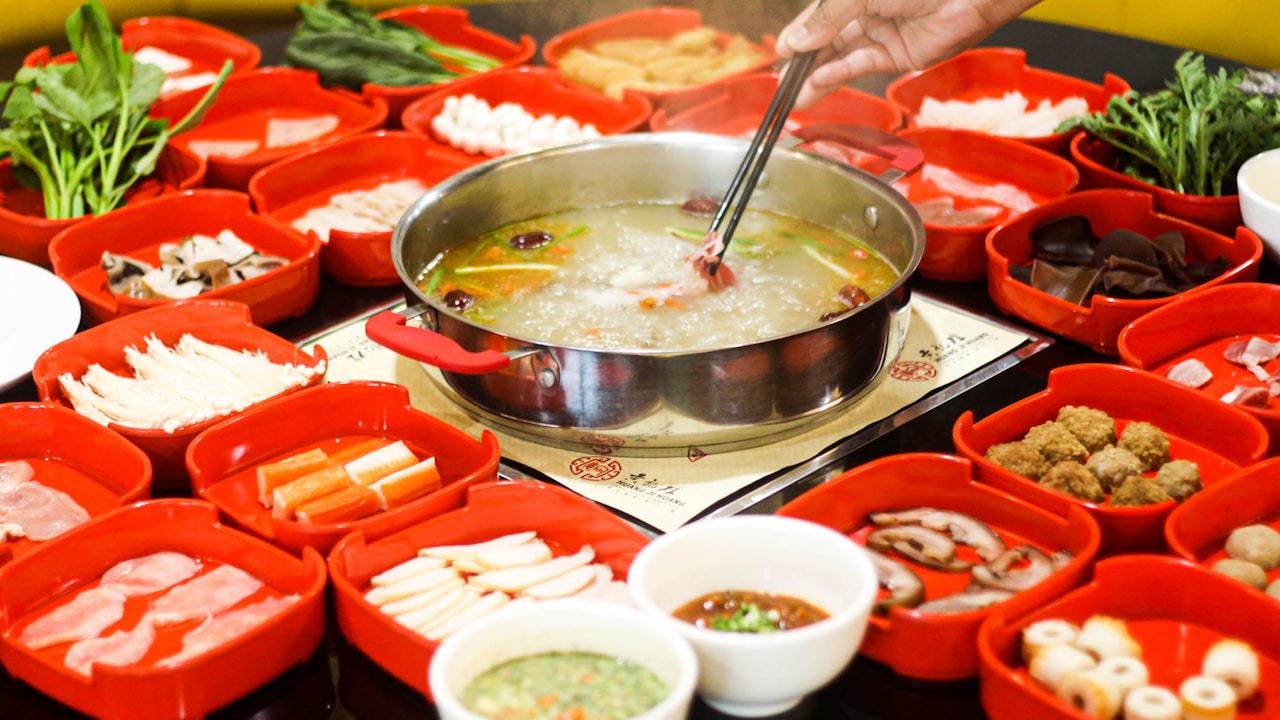
Hotpot (huoguo)
A simmering pot of spicy broth you cook at the table. Order a yuanyang (split) pot for half mild, half fiery. Sesame-oil dip with garlic cools the burn. Must-tries: beef tripe, duck intestine, lotus root.
Pandas in the morning, teahouses in the afternoon, hotpot at night. Everything foreign visitors search for about China's most relaxed city — food, neighborhoods, transport, and a realistic plan.
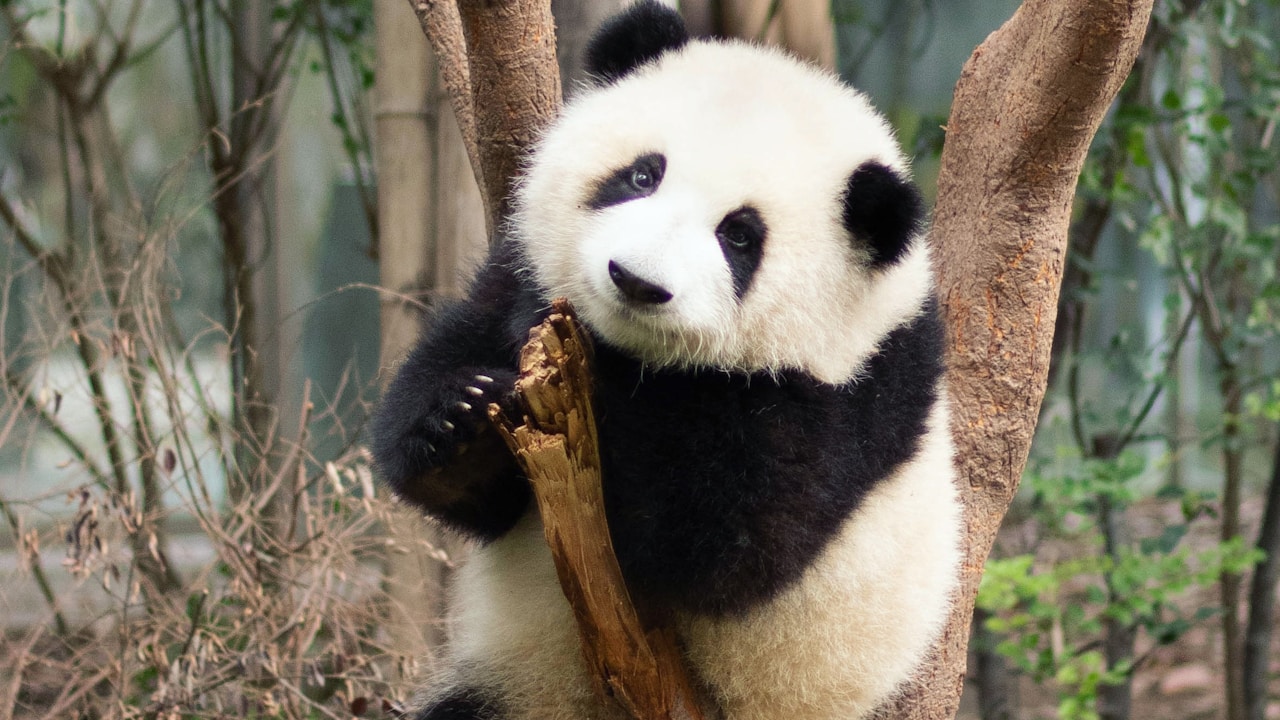
Most travelers picture China as a rush of megacities racing toward the future. Chengdu is the exception. As the capital of Sichuan Province, it blends UNESCO-level heritage, deeply rooted tea-and-mahjong street culture, and one of the most exciting food scenes on earth. Life here moves to the rhythm of clinking tea cups, shuffling mahjong tiles, and steam rising from spicy hotpots.
Four things make it a favorite for Western visitors: it is the only major city where you can watch giant pandas up close in a semi-wild setting; it is a UNESCO City of Gastronomy; it is genuinely laid-back compared with Beijing or Shanghai; and it is unusually well connected, with two international airports and visa-free entry for many nationalities. You do not just tick off landmarks — you sit with locals, taste history, and slow down.
The sights foreign visitors actually love — from pandas to old alleys to easy day trips that turn a city stop into a real Sichuan experience.
Chengdu's headline attraction. Go early (by 8 AM) when pandas are most active. Reserve tickets online in advance; metro Line 3 to Panda Avenue then a short bus or taxi.
The real Chengdu. Order a jasmine gaiwan tea, watch mahjong, and try the famous ear-cleaning service. The "matchmaking corner" is a spectacle in itself.
A lantern-lit Three Kingdoms-era strip beside the Wuhou Shrine. Sugar-painting artisans, street snacks, and a great dusk atmosphere. Wuhou Shrine ticket is around ¥50.
Three restored Qing-dynasty lanes — Wide, Narrow, and Well — full of teahouses, boutiques, and craft beer. Quietest in the early morning before the crowds.
A peaceful active Buddhist temple (free entry) wrapped by a refreshed pedestrian quarter of noodle shops, teahouses, and the best hole-in-the-wall dan dan noodles in town.
A ~1-hour high-speed train ride to a 2,000-year-old irrigation system and the birthplace of Taoism. Cool, green, and a perfect half-day escape from the city.
The world's largest stone Buddha, carved into a cliff about 2 hours away. Take the river boat for the full view, then walk the cliff stairs for a close-up.
Mind-bending Bronze Age artifacts from a civilization utterly different from central China. About an hour away in Guanghan — best with a guide who can explain the mystery.
Bian Lian performers swap masks in under a second. A 60–90 minute show, often with fire-spitting and shadow puppetry — easy to enjoy even with zero Mandarin.
Modern Chengdu: the giant panda climbing the IFS tower is the city's most-photographed landmark, and Taikoo Li mixes malls with the historic Daci Temple.
Chengdu is a UNESCO City of Gastronomy, and the local motto is "Eat in China, taste in Chengdu." The cuisine is built on mala — the numbing tingle of Sichuan peppercorn plus chili heat — but the city's range goes far beyond spice. Here is what first-time visitors should try and how to order it without panic.
A simmering pot of spicy broth you cook at the table. Order a yuanyang (split) pot for half mild, half fiery. Sesame-oil dip with garlic cools the burn. Must-tries: beef tripe, duck intestine, lotus root.
The gaiwan — a lidded bowl of jasmine or Sichuan black tea — is refilled all day. Tip: tap two fingers on the table to thank someone who refills your cup. It is the cheapest, most authentic local experience in the city.
Even "mild" in Chengdu can feel hot to outsiders. Order wei la (mildly spicy) or bu la (no spice), keep a Coke or yogurt nearby (water makes the burn worse), and remember the sesame-oil dip is your friend. Busy stalls with high turnover are usually the safest and tastiest.
Most first-time visitors base themselves in the center and never change hotels. These are the neighborhoods foreigners find most practical.
★★★★★ Central, walkable to IFS, Jinli, and Kuanzhai, with the best metro and food links. Budget roughly ¥300–500 per night in low season and ¥600–1000 in peak season.
★★★★ Quieter courtyard-style stays inside the old-town lanes. Charming in the early evening, but book away from the main lane if you are a light sleeper.
★★★★ Around the temple and Wenshu Fang you get local noodle shops, teahouses, and lower prices, with easy metro access.
★★★ Handy if you arrive by high-speed rail or plan day trips to Leshan, Dujiangyan, or onward to Xi'an. Less atmospheric at night.
Tip: book 15–30 days ahead for May holiday and National Day; panda-base and popular hotels sell out fast.
Chengdu has two airports. Tianfu International (TFU) is the main international gateway, about 50 km out; Metro Line 18 reaches the center in ~40 minutes for ~¥10, or a taxi/Didi for ~¥150 in an hour. The older Shuangliu (CTU) is closer, linked by Metro Lines 3 and 10. Keep your passport ready — it is checked for tickets and hotel check-in.
Chengdu East Railway Station is the main hub, connected to the center by Metro Lines 2 and 7 (Chengdu East to Chunxi Road is ~20 minutes). Direct trains run to Xi'an (~3–4 hrs), Chongqing (~1 hr), and beyond.
Foreigner tip: set up Alipay or WeChat Pay transport before you arrive, download a translation app, and save your hotel's name in Chinese. A travel companion handles all of this so you can just enjoy the day.
Chengdu is a year-round destination, but timing changes the experience.
Festivals worth a trip: the Spring Festival (Lantern Festival lanterns in Jinli), the Chengdu International Panda Festival, and the year-round Teahouse culture. Visa-free transit and growing international routes make spontaneous trips easier than ever.
Early morning at the Panda Base, then Chunxi Road and Taikoo Li (the climbing panda). First hotpot dinner — order a split pot if you are unsure about spice.
Morning tea at People's Park (ear-cleaning optional), Wenshu Monastery noodles, then Wuhou Shrine and Jinli Ancient Street at dusk. Evening Sichuan Opera face-changing show.
Choose Dujiangyan & Qingcheng Mountain (nature + heritage) or Leshan Giant Buddha (the big statue). Back in town for Kuanzhai Alleys and a chuan chuan skewer finale.
Want a 4th day? Add Sanxingdui Museum for the Bronze Age "alien" artifacts, or slow down with a neighborhood food crawl your companion curates.
The questions foreign travelers actually type into Google before they book.
Yes. Chengdu is one of the safer large cities in China for visitors. Violent crime against tourists is rare, and solo travelers — including women — generally feel comfortable in central districts day and night. Watch for pickpockets in crowded night markets and be careful crossing busy roads.
English is limited outside international hotels, airports, and major malls. Metro and attraction signage is increasingly bilingual, but restaurant menus and street vendors usually are not. A translation app — or a travel companion — makes ordering food and taking taxis far easier.
Two full days covers the essentials: pandas, a teahouse, an old alley, and hotpot. Three days adds a day trip to Dujiangyan/Qingcheng or Leshan without rushing. A fourth unlocks Sanxingdui plus slower wandering.
Sichuan food is famous for mala, but you are never stuck at full heat. Order a yuanyang (split) pot, or ask for wei la (mild) or bu la (no spice). Many classics like dan dan noodles and mapo tofu come in gentler versions, and sesame-oil dip tames the burn.
It depends on nationality. Many countries now have mutual visa-free entry to China for 15–30 days, and Tianfu Airport is a port of entry for the 240-hour (10-day) visa-free transit policy. Confirm current rules with the nearest Chinese embassy before booking, as policies change.
Yes — the base is open year-round. Pandas are most active in the cool morning (arrive by 8 AM), and cubs are typically born in summer and visible from late summer through winter. Reserve tickets in advance, especially weekends and holidays.
Tianfu (TFU) connects by Metro Line 18 in ~40 minutes for ~¥10, or a taxi/Didi for ~¥150 in an hour. Shuangliu (CTU) is closer and links by Metro Lines 3 and 10. Keep your passport handy for tickets and hotel check-in.
A private English-speaking companion handles panda-base tickets, hotpot ordering, metro navigation, and the tea-house etiquette — so you just enjoy the city.