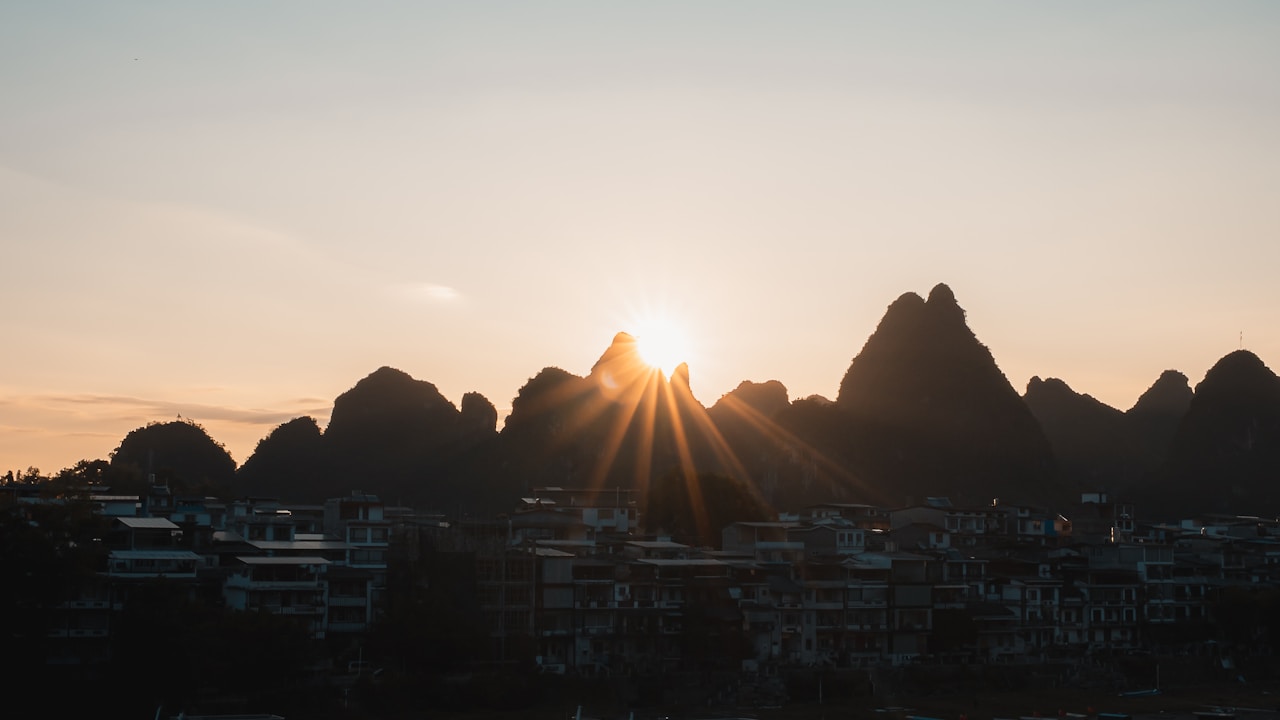
Yangshuo is one of Asia's best-known sport climbing areas, and it got there the unusual way: bolt by bolt, largely by visiting climbers who decided the karst towers were too good to leave alone. Today there are hundreds of bolted routes within a short ride of a town that also has good coffee and a reliable gear shop — a combination that is rare in China.
This guide covers the main crags, what a first day involves, realistic costs, when to come, and whether you need your own gear.
Why climbers keep coming back to Yangshuo
- The rock is extraordinary. Steep, pocketed limestone with a genuinely wide spread of grades, not just projects for the strong.
- Everything is close. Crags are a short ride from town, so you can climb a morning session and still have the afternoon free.
- Infrastructure exists. English-speaking instructors, gear rental and repair, guidebooks, local beta, and a climber-friendly guesthouse scene built over twenty-plus years.
- You can climb while travelling with non-climbers. Your partner can paddle the Yulong River or cycle the rice roads while you are on the rock, and you meet for dinner.
The main crags
| Crag | Character | Best for |
|---|---|---|
| Moon Hill (Yueliang Shan) | The iconic one — steep, pocketed, multi-pitch options | First visit, photos, a spread of grades |
| White Mountain (Baimian Shan) | Tall faces, sustained routes | Intermediate leaders |
| Twin Gates | Shadier, good on warm days | Hot-weather sessions |
| Swiss Cheese | Heavily pocketed, distinctive rock | Climbers who want something unusual |
| Treasure Cave / cave areas | Overhanging, stays dry in rain | Rainy days, strong climbers |
Do not try to tick off all of them. Two crags in three days, done properly, beats five crags rushed.
What a first climbing day looks like
You meet at a climbing shop in town, get fitted for shoes and harness, and drive out to a crag chosen for the conditions. A beginner morning covers basic movement, belaying, and several top-rope routes — most first-timers are surprised by how achievable it feels. A typical day runs roughly four to six hours on the rock with a lunch break.
- Introductory half or full day: everything provided, including instructor, gear, transport and usually a simple lunch.
- Guided lead day: for climbers who already lead and want local knowledge rather than instruction.
- Gear rental only: for experienced climbers with a partner who just need shoes, harness, quickdraws and a rope.
Costs
| Option | Typical price (RMB) | Includes |
|---|---|---|
| Introductory half day | 600–800 per person | Instructor, gear, transport |
| Full guided day | 800–1,200 per person | Instructor, gear, transport, lunch |
| Gear rental only | 150–300 per day | Shoes, harness, helmet — no instruction |
| Guide and driver, own gear | 500–800 per day | Local expertise and logistics |
Group size drives everything. Solo travellers pay a premium; three or four people brings the per-person number down considerably.
Gear: bring or rent?
Renting is easy and cheap, and most visitors rent everything. Rental shoes and harnesses are serviceable, though sizing can be inconsistent. Bring your own if any of these apply: you have difficult-to-fit feet, you plan more than three days on the rock, or you intend to lead.
- Bring: harness, shoes, chalk bag, your own quickdraws if you are particular.
- Rent: rope, draws, helmet, and anything bulky you would rather not fly with.
- Hard to find locally: specific shoe models and larger sizes — if you take anything above roughly EU 45, consider bringing your own.
When to climb
- October – February: prime season. Cool, dry rock, excellent friction, and lower humidity. Bring a light layer for the approach.
- March – May: good, with rain risk. Warming up, occasional heavy showers, and the spring crowds around holidays.
- June – September: hardest. Hot and humid, and sweating through a route is normal. Climb early mornings and pick shadier crags.
Safety and insurance
The popular crags are generally well bolted and the established guiding shops have long track records. Still, this is limestone in a humid climate:
- Hire a qualified instructor for your first day, especially if you have not climbed outdoors before.
- Check your knot and your partner's. Every time.
- Check your travel insurance covers sport climbing. Many standard policies exclude it, and this is the one thing worth sorting out before you fly rather than after.
- Rain closes some crags but not all — overhanging and cave routes often stay climbable.
Fitting climbing into a wider Yangshuo stay
Climbers usually stay longer than general visitors. If you are travelling with people who do not climb, the classic arrangement is one or two climbing days alongside a paddleboarding morning, a countryside cycle, and the Li River cruise. See the Yangshuo outdoor activities overview for how the options compare, or the Guilin and Yangshuo itinerary for day-by-day sequencing.
Quick answers
Is Yangshuo good for beginner rock climbers?
Yes, which is unusual for a world-class climbing destination. There are hundreds of bolted sport routes spread across many crags, including plenty of friendly easier grades and dedicated introductory areas. A first-timer can top-rope something that looks intimidating and have a genuinely good day.
Which crags should I climb in Yangshuo?
Moon Hill is the famous one and a sensible first stop. White Mountain, Twin Gates, Swiss Cheese and Treasure Cave are other well-known areas within a short ride of town. Your instructor will pick based on your grade, the season and how hot it is — some crags hold shade better than others.
How much does a guided climbing day cost in Yangshuo?
A guided day with gear and instruction typically runs about 600-1,200 RMB per person, depending on group size and whether transport and lunch are included. Renting gear without instruction is much cheaper. Prices drop noticeably per person in groups of three or four.
Do I need to bring my own climbing gear to China?
No. Local shops rent shoes, harnesses, helmets and quickdraws, and guided days include the lot. Bring your own only if you care about fit — experienced climbers usually carry their own harness and shoes, and sometimes a rope if they plan to lead.
When is the best season for climbing in Yangshuo?
Autumn and winter, roughly October through February. The rock is cooler and drier, friction is far better, and the humidity that makes summer climbing unpleasant largely disappears. Summer climbing is possible in the early morning and on shadier crags but is noticeably harder work.
Can I climb in Yangshuo if it rains?
Often yes. The karst has plenty of steep faces and some overhanging routes that stay dry in light rain, and there is at least one cave area used when it pours. Heavy sustained rain is different — ask your guide, because wet limestone and polished holds are a bad combination.
How many days should climbers spend in Yangshuo?
Serious climbers often stay a week or longer. Three days gives you a good introduction alongside other activities, while anything less than a full day on the rock feels rushed. If climbing is the main reason for your trip, plan at least five days.
Is climbing in Yangshuo safe?
The bolts are generally well maintained on the popular crags, and the local guiding shops have been operating for over twenty years. That said, this is real rock — hire a qualified instructor for your first day, check your own knot, and treat old or unfamiliar bolts with caution.
Do I need travel insurance for climbing here?
Yes. Standard travel policies frequently exclude rock climbing, so check yours specifically and buy a policy that covers sport climbing if you plan to lead. This is the one piece of paperwork worth doing properly before you fly.
Is there bouldering in Yangshuo?
Yes, though it is less developed than the sport climbing. There are established bouldering areas, and guide services can point you to them. Bring a crash pad if you are particular — rental pads exist but the selection is not large.