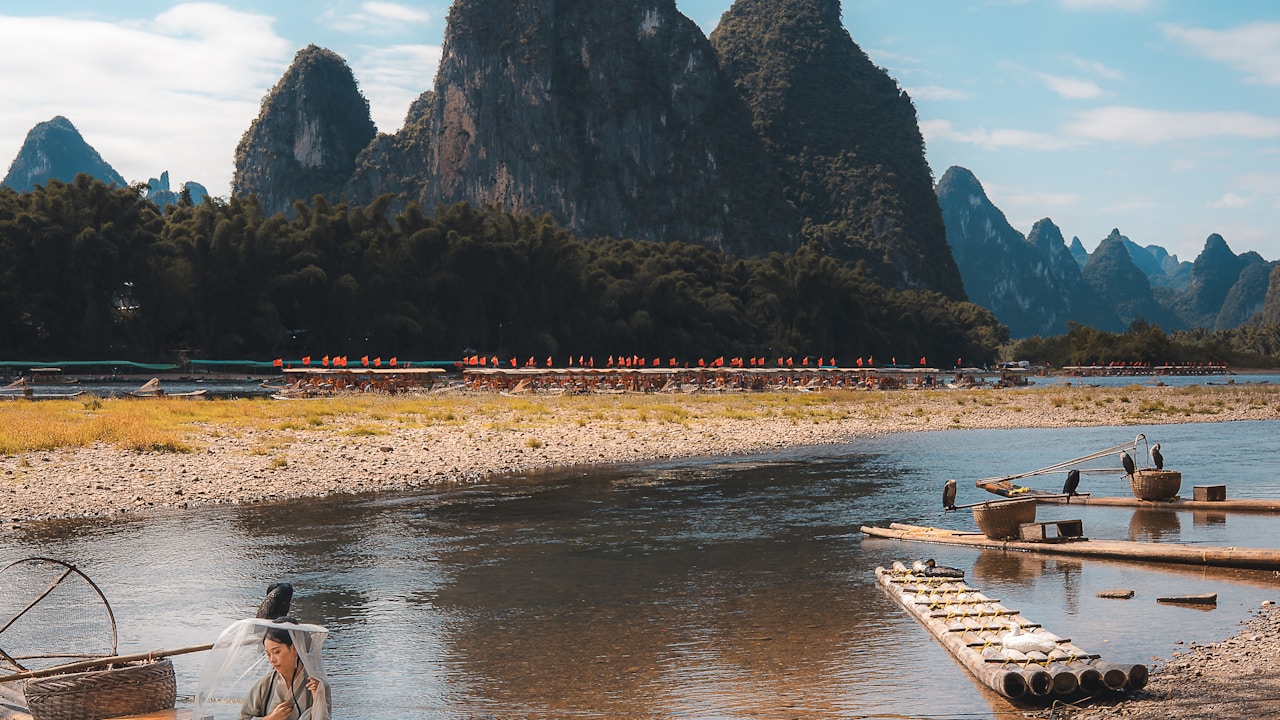
Most visitors see Yangshuo from the deck of a cruise boat or the back of a tour bus, and then leave. That is a shame, because this stretch of Guangxi is the closest thing China has to an outdoor sports town: flat morning water for paddling, bolted limestone routes a fifteen-minute ride from a coffee shop, and countryside roads that are genuinely pleasant to cycle.
This guide covers what you can actually do here, what each activity realistically involves, roughly what it costs, and when to come. Prices are typical 2026 ranges in RMB — treat them as a starting point for budgeting, not a quote.
Why Yangshuo works for outdoor days
Three things make it unusual. The karst towers give you vertical rock and flat valley floors within a few kilometres of each other. The Yulong River, a tributary of the Li River, is slow and shallow enough for relaxed paddling. And because the town has hosted foreign climbers and cyclists for over two decades, there is already a small industry of English-speaking instructors, gear rental and repair.
That last point matters more than it sounds. In most of China, arranging a kayak or a climbing guide from scratch in English is a slog. Here it is a normal transaction.
One practical note before the detail: each of the main activities below has changed enough in recent seasons that we now keep a dedicated page for it — pricing reflects 2026 and the booking advice is current. Use this overview to decide what to do, then follow through to the specific guide.
| Activity | Effort | Typical cost | Best for | Detail |
|---|---|---|---|---|
| SUP paddleboarding | Easy, no experience | ¥150–300 | Full guide | The signature Yangshuo morning |
| Rock climbing | Moderate to hard | ¥600–1,200 | Full guide | Beginner-friendly bolted routes |
| Cycling / e-biking | Easy, flexible | ¥20–100 | Full guide | Cheapest, easiest to arrange |
| Bamboo rafting | None | ¥200–320 per raft | Below | The lazy version of the same water |
1. Stand-up paddleboarding and kayaking
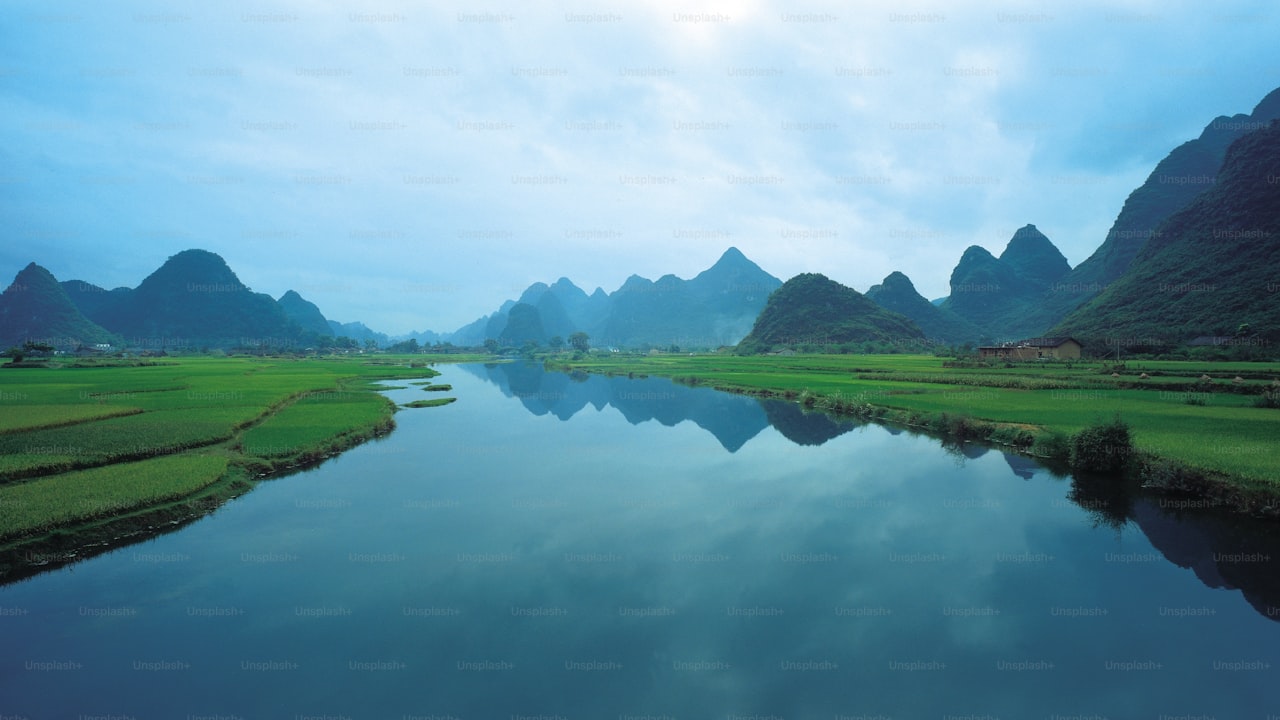
The Yulong River (遇龙河) is the place to paddle. It is calmer and narrower than the main Li River, the current is gentle, and the karst scenery sits right on both banks. Early morning is best: glassy water, cooler air, and far fewer tourist bamboo rafts before 9am.
What a session looks like: an operator drives you upstream, you launch, and you paddle gently downstream for one to three hours. Most first-timers do a one-to-two hour stretch. Boards are usually the wide, stable all-round kind rather than narrow touring boards, which makes standing up much easier than people expect.
- Typical cost: roughly ¥150–300 per person for a guided board or kayak session, depending on length and whether transport is included.
- Experience needed: none for a first session. If you can kneel and balance, you can do this.
- On the main Li River: possible and beautiful, but there is current and commercial boat traffic — go with a local operator who knows the channels, not alone.
- After heavy rain: the river turns brown and rafting and paddling are often suspended for a day or two. Build a backup land day into your plan between June and August.
Life jackets are standard and you should wear one. Sun protection is the thing visitors underestimate — there is very little shade on the water.
Planning a paddle day? The dedicated SUP paddleboarding in Yangshuo guide covers exactly where to launch, current 2026 pricing by session length, what happens when rain closes the river, and what to bring.
2. Bamboo rafting on the Yulong River
Not a sport, but it is the lazy version of being on the same water, and worth doing once. A boatman poles a two-person bamboo raft down a section of the Yulong River; the classic runs pass under old stone bridges and past water buffalo on the banks. Expect roughly ¥200–320 per raft for a standard section (rafts take two people, so halve it per person). Morning is quieter, and there are small dams along some routes that the raft slides over — a mild splash, not a rapid.
3. Rock climbing
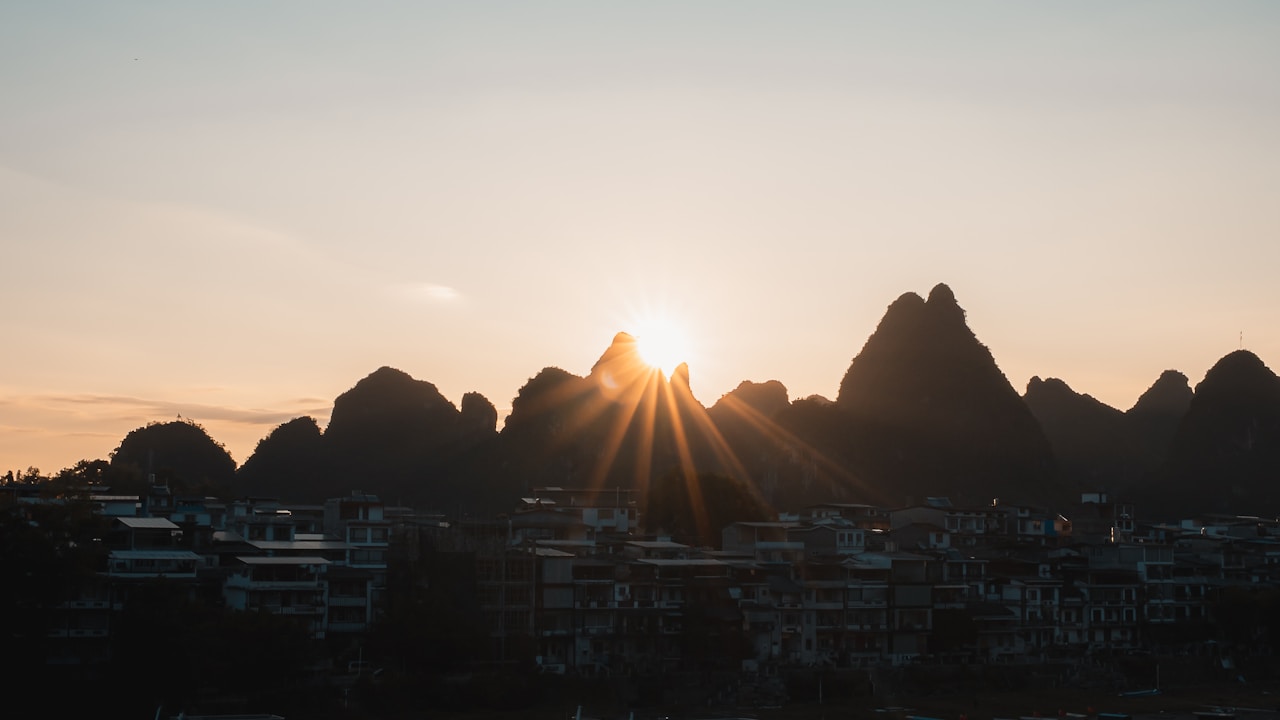
Yangshuo is one of Asia's best-known sport climbing destinations. Hundreds of bolted routes spread across crags within a short ride of town — Moon Hill, White Mountain, Twin Gates, Swiss Cheese and others — with a real spread of grades rather than only hard routes.
- Beginners: book an introductory half or full day through a local climbing shop. They provide shoes, harness, helmet and an instructor, and you will top-rope routes that look far more intimidating than they are.
- Experienced climbers: gear rental is easy, and there are guidebooks and local beta. Bring your own harness and shoes if you care about fit.
- Typical cost: roughly ¥600–1,200 per person for a guided day including gear; less if you already have your own equipment and just need a partner or a driver.
- Best season: autumn and winter. Cooler, drier rock, and far better friction than a humid July afternoon.
Yangshuo deserves far more than a paragraph if climbing is why you are here. See the rock climbing in Yangshuo guide for the main crags compared, what a first day costs, whether to bring your own gear, and why October to February is prime season.
4. Cycling and e-biking the countryside
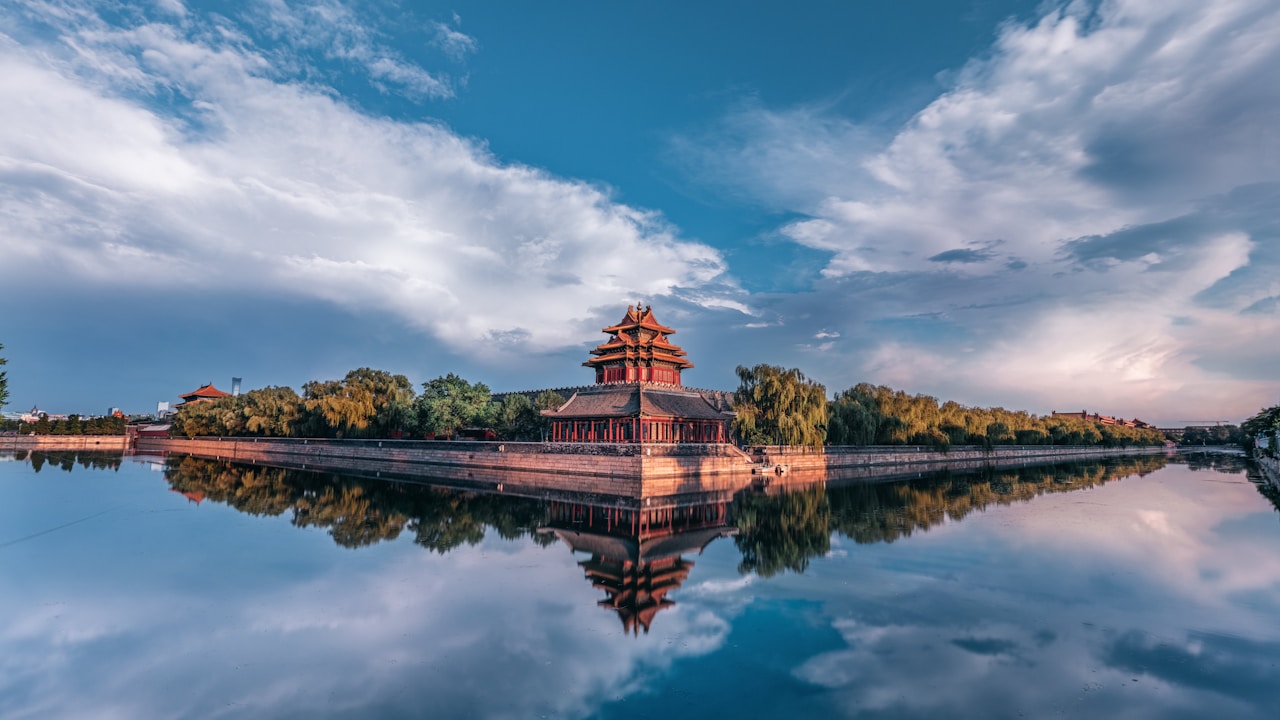
This is the easiest activity to arrange and the one most people enjoy most. Roads along the Yulong River and towards Moon Hill are mostly flat, paved, and lined with rice fields and small villages. The stretch towards Moon Hill is nicknamed the Ten-Mile Gallery for good reason.
- Bike rental: roughly ¥20–50 per day for a basic bike; e-bikes around ¥60–100, which is worth it in summer heat.
- Distance: a relaxed half day covers 15–25 km with stops. Do not plan a big loop on your first morning here — the heat and the photo stops both eat time.
- Xingping: the older village downstream, famous as the view on the 20-yuan note. Reachable by road and worth a slow afternoon.
The three worthwhile routes — including distances and how they compare — are in the Yangshuo cycling guide, along with honest advice on e-bikes versus pedal bikes and the one highway you should never ride.
5. Hiking and viewpoints
Two hikes are worth building a morning around. Moon Hill climbs a stone stairway up to the natural arch that gives the hill its name — about an hour up, hot and steep in places, with a wide view from the top. Xianggong Mountain, near Xingping, is the classic sunrise viewpoint over the bend of the Li River; you will need a driver and an early start (think 4:30–5:00am departure depending on season), but the light over the karst is the photograph most people come to Guangxi for.
Best time to go
| Season | Conditions | Best for |
|---|---|---|
| Apr–early Jun | Warm, green, occasional rain | Paddling, cycling — the all-round best |
| Jun–Aug | Hot, humid, heavy rain and flood risk | Climbing early mornings; paddling may be suspended |
| Sep–Nov | Warm days, cooler evenings, stable | Everything — peak season for good reason |
| Dec–Feb | Cool to cold, quiet, cheapest | Climbing; too cold for most people on the water |
If you want one rule: come in October. You can paddle, climb and cycle in the same week without fighting either heat or floods.
Getting to Yangshuo
- Li River cruise from Guilin: about four hours downstream, the classic approach. Scenic but fixed schedule and you arrive mid-afternoon.
- High-speed rail: Guilin to Yangshuo station takes roughly 30–50 minutes, then about 40 minutes by road into town. Fast, but the station is not in Yangshuo itself.
- Private car: roughly 1–1.5 hours from Guilin, door to door. The sensible option if you have boards, bikes or climbing gear, and the cheapest for three or more people.
From Guilin Liangjiang Airport (KWL) you can go straight to Yangshuo without backtracking through Guilin city — worth doing if Yangshuo is your only Guangxi stop.
A realistic 3-day outdoor itinerary
- Day 1 — water. Early paddleboard or kayak session on the Yulong River (start by 8am), lunch in town, slow afternoon cycling the riverside roads, evening on West Street.
- Day 2 — rock or roads. Either a guided climbing day at Moon Hill or White Mountain, or a longer e-bike loop towards Xingping with a late-afternoon riverside stop.
- Day 3 — the famous view. Sunrise at Xianggong Mountain, breakfast, then bamboo rafting on the Yulong while the day warms up. Depart in the afternoon.
Two days instead? Do the water day plus one land day, and skip the sunrise — it is the most logistics-heavy item for the least flexible traveller.
Where a travel companion actually helps
Everything above is bookable on your own if you have time, patience and a translation app. What tends to go wrong is the stuff around the edges:
- Weather pivots. Rain closes the river for a day. Someone local can reshuffle your plan at 7am instead of you discovering it at the launch point.
- Gear and booking in Chinese. The good operators are not always the ones with English websites.
- Transport with equipment. Boards, bikes and crash pads do not travel well on scheduled buses.
- Price reality. Quoted-to-foreigner prices and local prices are often different numbers, and negotiating that in Mandarin is not a beginner task.
A private English-speaking companion handles those, and turns a list of activities into days that actually run on time.
Yangshuo outdoor FAQ
Can you really go paddleboarding in Yangshuo?
Yes. The Yulong River is the main place to paddle — flat water, karst towers on both banks, and rentals from several operators along the river. The main Li River can also be paddled on quieter stretches, but it has boat traffic and faster current, so go with a local operator.
Do I need my own paddleboard or climbing gear?
No. Boards, kayaks, life jackets and paddles are rented locally, and climbing shops rent shoes, harnesses and helmets. Bring your own only if you are particular about fit.
When is the best month for outdoor activities in Yangshuo?
April to early June and September to November. July and August bring heat and the highest flood risk; December to February is cold but excellent for climbing.
Is Yangshuo good for beginner climbers?
Yes. There are hundreds of bolted sport routes across many grades, including plenty of friendly easier routes, plus introductory crags. First-timers should hire an instructor through a local climbing shop.
How many days do I need in Yangshuo?
Three full days covers one water day, one climbing or cycling day, and one slower day for Xingping and a viewpoint. Climbers often stay a week or more.
How do I get to Yangshuo from Guilin?
Li River cruise (about four hours), high-speed rail (roughly 30–50 minutes plus a road transfer), or a private car (around 1–1.5 hours). A private car is most flexible with gear.
Is it safe to swim or paddle in the Li River?
Paddle yes, with a life jacket and a local operator. Swimming is different — current, drop-offs and boat traffic mean you should only swim where a local says it is fine.